
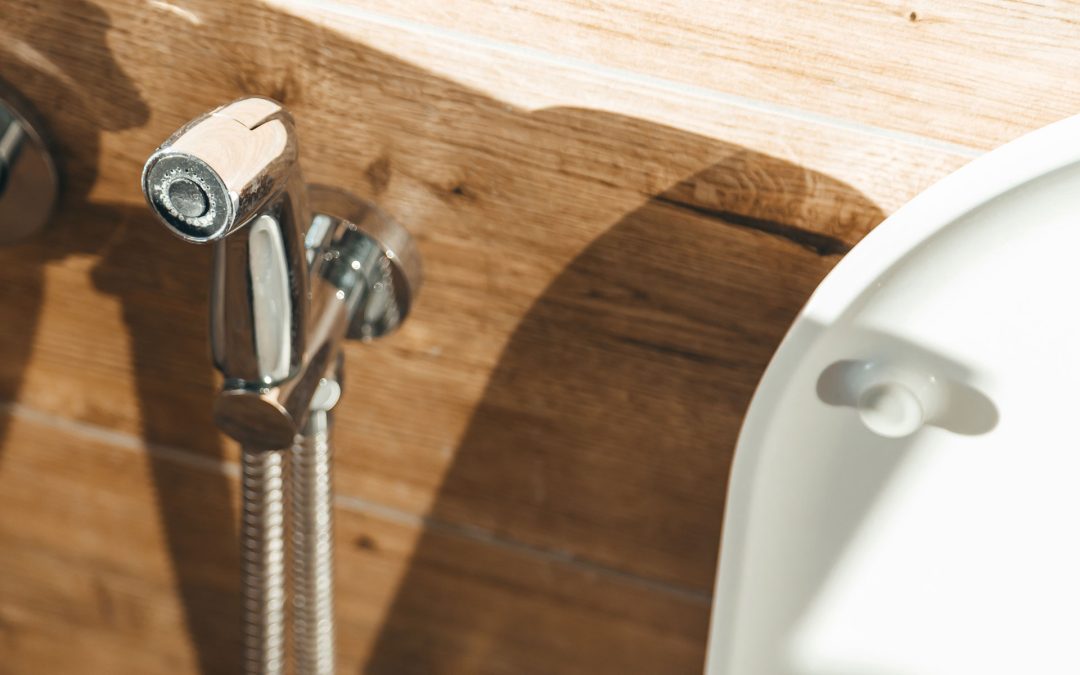
During the COVID-19 pandemic, many households in Melbourne got creative with hygiene solutions — including connecting hoses or handheld sprays directly to toilet cisterns as DIY bidet systems. While convenient, these setups are likely non-compliant with Melbourne plumbing regulations and could pose serious health risks.
Why DIY Toilet Hoses Can Be Dangerous
1. Backflow Risk
Direct connections can cause contaminated water to flow back into your drinking water supply. This high-hazard riskrequires a proper backflow prevention device (like an RPZ valve) to comply with regulations.
2. Licensing Requirements
Installing bidet hoses or sprays is considered regulated plumbing work in Melbourne. Only a licensed plumber can legally carry out these installations. DIY setups may breach plumbing regulations and carry penalties.
3. Product Requirements
All bidet systems, sprays, and toilet seat attachments must be WaterMark-certified to meet Australian safety standards. Non-certified products are not compliant.
Health Risks of Non-Compliant Installations
DIY hoses can lead to:
- Contaminated drinking water
- Gastrointestinal infections and illness
- Potential plumbing system damage
The VBA warns that DIY bidet hoses can allow sewage to enter the water supply, causing infections and other health issues.
How to Install a Safe and Compliant Bidet
To ensure your bidet system is safe and legal:
- Hire a licensed plumber.
- Install a high-hazard backflow prevention device.
- Use WaterMark-certified products.
- Follow Melbourne plumbing regulations, the Plumbing Code of Australia, and AS/NZS 3500.1 standards.
Bottom Line
DIY toilet hoses installed during COVID may have solved short-term problems, but they’re likely non-compliant and risky. For safety and compliance, have a licensed plumber inspect and install proper backflow protection.
Safety first: don’t risk your health or your water supply with shortcuts.